[The 20th Talking about the Human Rights of Older Persons] Dr. Evi Arifin (Universiti Brunei Darussalam)
작성자 ADMIN
날짜 2025-12-12 12:53:56
조회수 1420
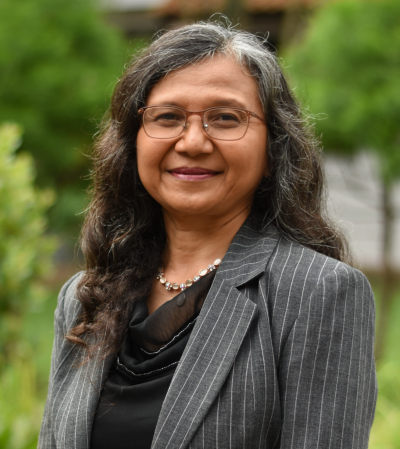
(Source: https://care.ubd.edu.bn/?page_id=97)
Ageing in Brunei: Trends, Social Protection, and Building an Age-Inclusive Society
ASEM Global Ageing Center (AGAC) recently held the 20th Talking about the Human Rights of Older Persons, focusing on demographic changes and responses to population ageing in Brunei. Through a presentation by Dr. Evi Arifin from Universiti Brunei Darussalam, the session provided a comprehensive discussion on changes in the country’s population structure, social protection system, family caregiving arrangements, and issues related to ageism.
By comparing the case of Brunei with those of other countries, including those in Southeast Asia and Korea, the session reaffirmed that population ageing is not merely a welfare issue, but rather a development issue closely intertwined with social, economic, and cultural dimensions.
A Small Population, but Rapidly Advancing Ageing
Dr. Arifin explained that although Brunei is a small country with a population of fewer than 500,000, its population has increased more than threefold since the 1970s. In recent years, however, the pace of population growth has slowed, and current demographic change is driven more by migration than by natural increase. In particular, temporary foreign workers play an important role in Brunei’s economic activities, yet they typically do not remain in the country into old age, reflecting a distinct structural characteristic.
The total fertility rate has continuously declined from approximately 5.5 in the 1970s to below replacement level since the early 2000s, with the decline being more pronounced among non-Muslim groups. At the same time, life expectancy has steadily increased, leading to a rapid rise in the proportion of the older population and the median age.
Continuity of Family Care and Emerging Challenges
Population distribution in Brunei is highly concentrated in the Brunei-Muara district, the country’s economic and administrative center, and household structures are also undergoing change. While the number of households headed by older persons and single-person households is increasing, extended family households are declining.
Although family-centered caregiving has traditionally been strongly maintained in Brunei, factors such as increased female labor force participation, smaller family sizes, and the overseas residence of adult children have made it increasingly difficult for family care alone to meet the needs of older persons. As a result, the importance of professional caregiving services and community-based care systems is expected to grow in the future.
The Welfare Diamond and Key Features of the Pension System
Dr. Arifin described Brunei’s social protection system using the concept of the “welfare diamond,” emphasizing the combined roles of the state, family, market, and community. The state provides free education, free healthcare, exemption from income tax, subsidies for basic goods and fuel, and a universal old-age pension.
The pension system is characterized by a multi-tiered structure differentiated by generation. A universal non-contributory pension is provided to citizens and permanent residents aged 60 and above. A defined-benefit (DB) pension scheme applies to civil servants and uniformed personnel employed before 1993, while post-1993 cohorts are covered by defined-contribution (DC) pension schemes. These schemes have recently been consolidated under the National Retirement Scheme (SPK). Differences in perceptions of pension equity between generations were also highlighted as a key topic of discussion.
Expanding Awareness of Ageism and Remaining Challenges
Ageism was addressed as an important agenda item during the session. Dr. Arifin noted that awareness of ageism in Brunei has emerged relatively recently, and that there remains room for improvement in the use of terminology referring to older persons, media representations, and institutional practices. She also emphasized the need to shift language use and policy discourse in line with WHO guidelines.
During the Q&A session, participants raised comparative questions focusing on issues such as the potential weakening of family-based care, policy responses to declining fertility, access to social protection for foreign workers, income inequality, and the quality of life of older persons. In response, Dr. Arifin observed that older adults in Brunei generally appear to enjoy a “livable life,” supported by the combination of strong family relationships and a robust state welfare system. However, she also noted that older persons with limited mobility and weaker family support may face increasing vulnerability in the future.
Toward Inclusive Ageing
The session concluded by reaffirming that Brunei possesses considerable policy space to respond to population ageing, supported by relatively strong fiscal capacity and a comprehensive welfare foundation. Key future priorities identified included: expanding community-based care, professionalizing caregiving services, reducing ageism, and promoting inclusive ageing strategies through the use of automation, artificial intelligence, and gerontechnology.
Building on this discussion, the ASEM Global Ageing Center (AGAC) plans to continue fostering cooperation to compare and analyze ageing experiences across Asia and Europe, and to further expand rights-based policy discourse on ageing.